刷卡附加费正变成小商户的定价题
Visa、Mastercard 和解方案让刷卡附加费重新升温,但小商户真正要处理的是标价、披露、流失和系统落地。
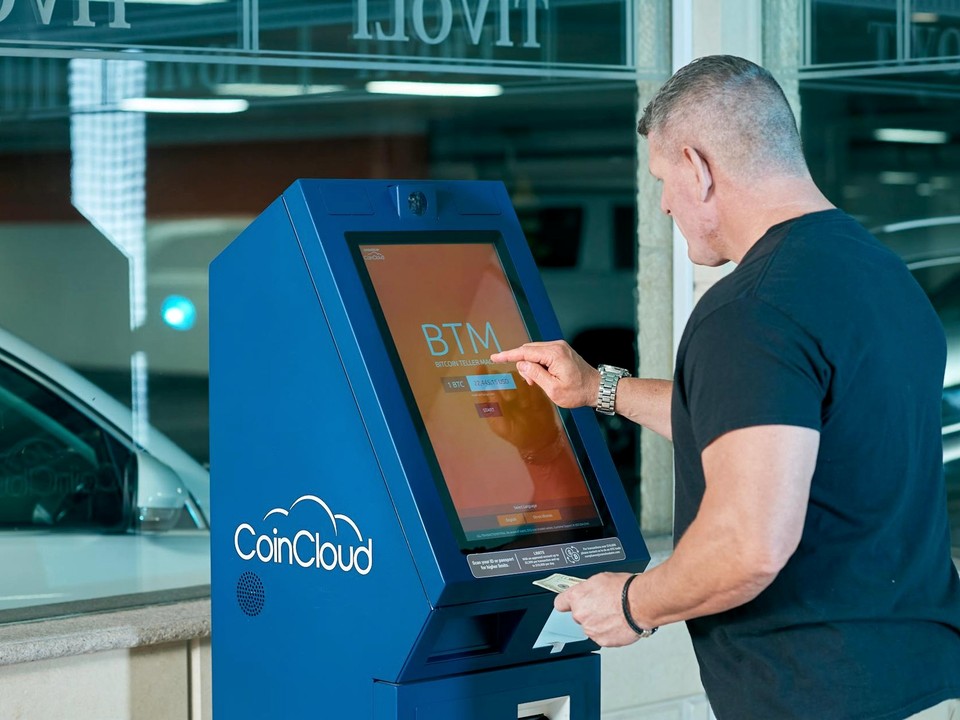
本周最值得商户盯住的变化,不是卡费突然消失,而是卡费可能更公开地回到消费者眼前。Payments Dive 7 月 20 日报道 Why pricey credit cards may soon cost more,Visa、Mastercard 交换费相关和解推进后,商户可能更容易对高端奖励卡和商业卡加收刷卡附加费,最高可到 3%。
这对小商户有吸引力:餐饮、维修、专业服务和 B2B 供应商的毛利本来就薄,客户若坚持用高回馈卡付款,交易成本会直接挤压利润。但附加费不是简单把成本转嫁出去。报道里提到,约三分之一小企业已经加收刷卡附加费,也有相近比例的消费者看到附加费后会偶尔或频繁放弃交易。换句话说,商户省下来的卡费,可能会被结账流失抵消。
真正的难点在执行层。商户要弄清所在州是否允许附加费,前台标价、线上结账页、收据说明和员工话术要一致;处理商还要能识别卡种、品牌和产品层级,避免把借记卡或不该加费的交易一起处理。对 B2B 商户来说,还要提前和客户约定发票、采购卡、ACH 或转账的优先顺序。
Paymesh 的判断是,刷卡附加费会成为服务商的新功能包,但它不是万能降费工具。更好的做法是先看客户结构:如果大部分客户愿意用 ACH、借记卡或本地转账,附加费可以作为引导;如果客户体验敏感,就要更谨慎地测试页面文案和价格呈现。
对你的生意意味着什么
- 先测算附加费带来的卡费节省,别只看处理商宣传。
- 检查州法、卡组织规则、收据披露和线上结账提示是否一致。
- 给客户提供 ACH、借记卡或银行转账选项,避免只剩“加费或离开”。
Card Surcharges Turn Pricing Into a Checkout Problem
The most important payments story this week is not that card acceptance is getting cheaper. It is that more of the cost may become visible at checkout. Payments Dive reported on July 20 that Why pricey credit cards may soon cost more as a Visa-Mastercard interchange settlement moves forward. The agreement could give merchants more room to add surcharges on premium rewards cards and commercial cards, with a cap of up to 3%.
For small businesses, the appeal is obvious. Restaurants, repair shops, professional services firms, and B2B suppliers often operate on narrow margins. When a customer insists on paying with an expensive rewards or purchasing card, the acceptance cost can become a real margin problem. But surcharging is not a clean transfer of cost from merchant to buyer. Payments Dive also pointed to survey data showing that many small businesses already surcharge, while many customers sometimes or often abandon purchases when they see the extra fee.
That makes this less of a pricing issue and more of a checkout design issue. A merchant needs to know whether surcharging is allowed in its state, how the fee must be disclosed, and whether the processor can distinguish card type, card brand, debit transactions, and premium products correctly. Online checkout pages, printed menus, invoices, receipts, and staff explanations should all tell the same story.
For B2B merchants, the question is even sharper. If buyers use commercial cards to earn rebates, vendors need a clear policy: card surcharge, ACH discount, wire option, or invoice terms that reflect the true cost of payment. Without that policy, payment choice becomes a hidden negotiation after the sale.
The Paymesh view is that surcharging will become a more common value-added service from processors, but it should not be treated as a universal cost-cutting button. Start with the customer mix, test the wording, and make lower-cost payment choices easy to accept.
What it means for your business
- Model the savings against possible checkout abandonment.
- Confirm state rules, network rules, receipt language, and checkout disclosure.
- Offer ACH, debit, or bank transfer options so customers have a real alternative.
Sources & further reading / 参考资料
- Why pricey credit cards may soon cost more — Payments Dive, July 20 2026
- Card surcharges — Visa
*Filed under: Weekly Roundup | 2026-07-20 | ~4 min read*